
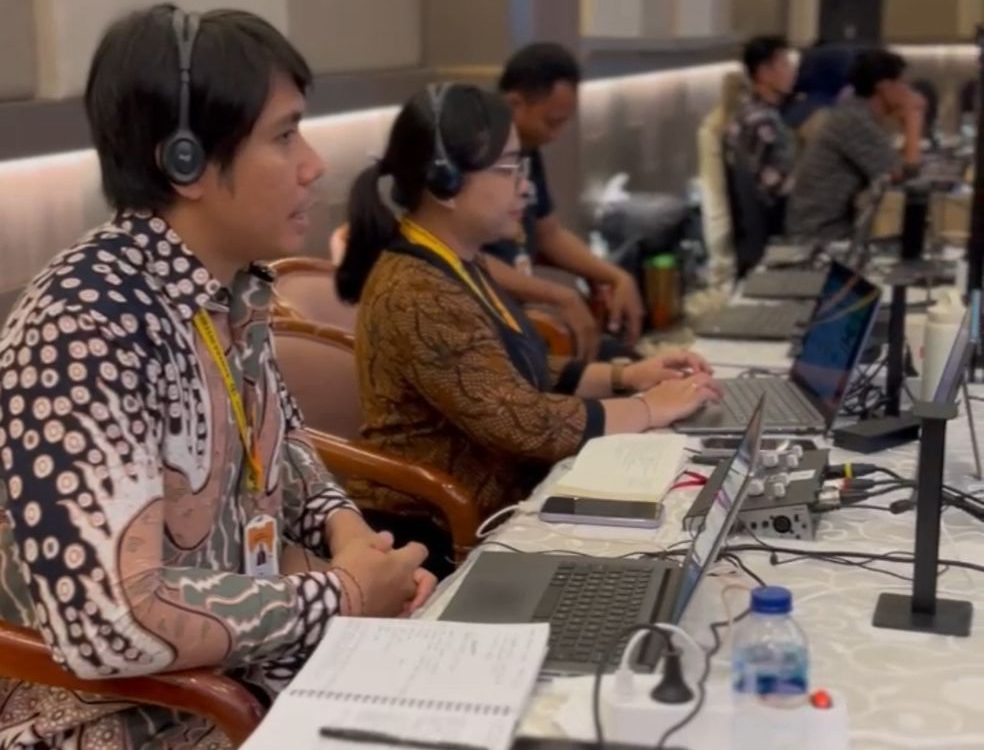
Planning an international meeting, legal consultation, government program, or conference in Bali or elsewhere in Indonesia often requires professional interpreting support. One question frequently asked by organizers is:
How do you know whether an interpreter is truly qualified?
Unlike some professions, the term “interpreter” is not always strictly regulated in daily practice. In reality, many individuals may introduce themselves as interpreters. This makes it important for clients to understand how quality and professionalism can be assessed.
How to Recognize a Qualified Interpreter
There are generally two reliable ways to evaluate an interpreter’s quality:
1. Proven Track Record and Recommendations
Experience remains one of the strongest indicators of competence.
Professional interpreters build credibility through:
- Previous assignments with reputable organizations
- Repeat clients and long-term partnerships
- Recommendations from event organizers, institutions, or international agencies
- Demonstrated experience in specific sectors such as legal, health, development, or government meetings
A strong portfolio often reflects not only language ability but also professionalism, reliability, and adaptability in high-pressure environments.
2. Professional Certification
Certification provides an additional layer of professional validation.
In Indonesia, interpreters may obtain national certification through examinations organized by Himpunan Penerjemah Indonesia (HPI) — the Indonesian Translators Association. The certification process is rigorous and evaluates real interpreting competence rather than theoretical knowledge alone.
Candidates are tested in:
- Consecutive interpreting
- Simultaneous interpreting
- Accuracy of message delivery
- Language mastery and comprehension
- Professional interpreting techniques
Participants must achieve a minimum passing score to obtain certification, making the process both selective and demanding.
Does Certification Mean Better Quality?
Certification is an important credential — but it is not the only measure of capability.
Indonesia has many highly skilled and experienced interpreters who may choose not to take the national certification test for various reasons. Some professionals already work with established clients, international organizations, or long-term partners and rely on proven performance rather than formal credentials.
Therefore, certification should be viewed as:
- An added professional value
- A recognized credential
- Evidence of tested competence
—but not the sole indicator of interpreting excellence.
What Truly Defines a Professional Interpreter?
Beyond certification, successful interpreters consistently demonstrate:
- Strong preparation and subject understanding
- Professional ethics and confidentiality
- Clear communication skills
- Ability to work under pressure
- Team coordination with technicians and organizers
- Continuous learning and adaptation
In conference and institutional settings, professionalism and reliability often matter just as much as formal qualifications.
Should Interpreters Pursue Certification?
For interpreters themselves, certification can be an important milestone.
If you are new to the profession or aiming to strengthen your position in a competitive industry, certification can:
- Enhance credibility
- Increase professional confidence
- Open access to certain institutional projects
- Demonstrate commitment to the profession
However, certification is most beneficial when pursued at the right stage — when practical experience and readiness meet.
Many experienced interpreters may choose not to take the test simply because their established client base already reflects their competence. Ultimately, long-term success depends on a broader combination of factors.
Beyond Certification: What Sustains a Career
In the interpreting profession, sustained success is built on:
- Professional conduct
- Personal communication skills
- Client relationships and trust
- Fair and strategic pricing
- Continuous performance quality
- A proven record of successful assignments
Certification may help open doors, but professionalism keeps them open.
Contributor: Luh Windiari, HPI-Certified Interpreter and Legal Translator
Bahasa Interpreters, your Indonesian Interpreters in Bali and Beyond
For interpreter service in Bali, you can contact us at: info@bahasainterpreters.com
WhatsApp Message at: +62 819-2777-1115
Leave a Reply