-
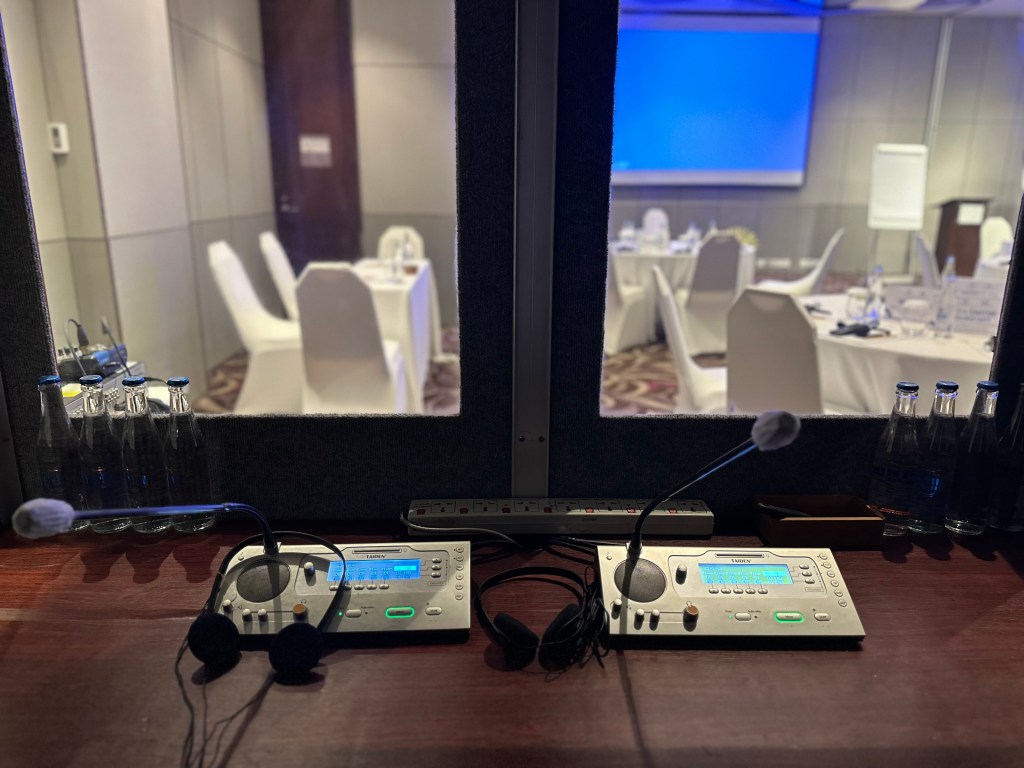
Why Simultaneous Interpreters Should Work in a Booth
Simultaneous interpreting is a demanding profession that requires exceptional language skills, cultural knowledge, and intense concentration. One key aspect that sets simultaneous interpreters apart is their ability to work in a booth. Here are several reasons why simultaneous interpreters should work in a booth: In conclusion, working in a booth is essential for simultaneous interpreters
-

How interpreters can keep up with competition?
To keep up with competition in the field of interpreting, here are some strategies that interpreters can employ: The interpreting industry is dynamic, and staying competitive requires a combination of continuous learning, specialization, networking, marketing, quality service, adaptability, and strong client relationships. Posted by Luh Windiari Bahasa Interpreters, your Indonesian Interpreters in Bali Contact us
-

How to start a career as an interpreter?
To start a career as an interpreter, the following steps can be considered: Starting a career as an interpreter requires dedication, continuous learning, and practical experience. It’s important to stay motivated, seek opportunities for growth, and be proactive in building your professional network. Posted by Luh Windiari Bahasa Interpreters, your Indonesian Interpreters in Bali Contact
-

Tips for Simultaneous Interpreters
Simultaneous interpreters provide immediate, real-time translation of spoken words from one language to another. They work in a wide range of settings, including conferences, meetings, courts, and other venues where multilingual communication is required. To become a professional simultaneous interpreter, individuals usually undergo extensive training and education. Additionally, continuous professional development allows simultaneous interpreters to
-
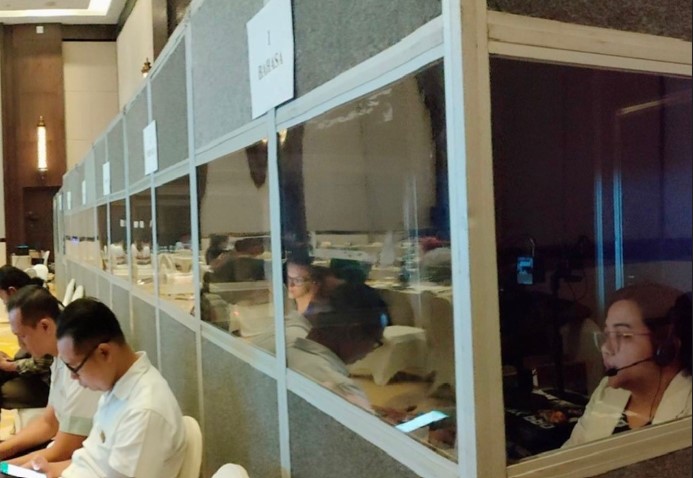
Unique Facts About Simultaneous Interpreters
Here are some unique facts about simultaneous interpreters: These unique facts highlight the specialized skills, training, and challenges which simultaneous interpreters face in their profession. Posted by Luh Windiari Bahasa Interpreters, your Indonesian Interpreters in Bali Contact us at: info@bahasainterpreters.com WA: +62 819-2777-1115
-

Consecutive vs. Simultaneous Interpretation: Understanding the Differences
Interpretation is a vital tool for effective communication in multilingual settings. Two commonly used modes of interpretation are consecutive interpretation and simultaneous interpretation. While both serve the purpose of facilitating communication between individuals who speak different languages, they differ in their approach and application. In this short article, we will explore the differences between consecutive
categories
- Bahasa Interpreter
- Book Key Takeaways
- Burnout
- Crimes
- Decarbonization
- Early Childhood Education
- English phrases
- Forestry
- GEDSI
- Glossary
- Idioms
- Indonesian Interpreter in Bali
- Interpretation
- Istilah Hukum
- Istilah Kehutanan
- Judicial Terms
- Maritime Zones
- Pantun
- Peatland management
- Peribahasa
- Proverbs
- Remote sensing
- Speeches
- Sustainable Fisheries
- Tips
- UNCLOS
- wellness
Contact info
WA: +62 819-2777-1115
Jalan Tukad Badung XXC No. 1 E, Sidakarya, Denpasar Selatan, Denpasar, Bali, Indonesia
 Bahasa Interpreters