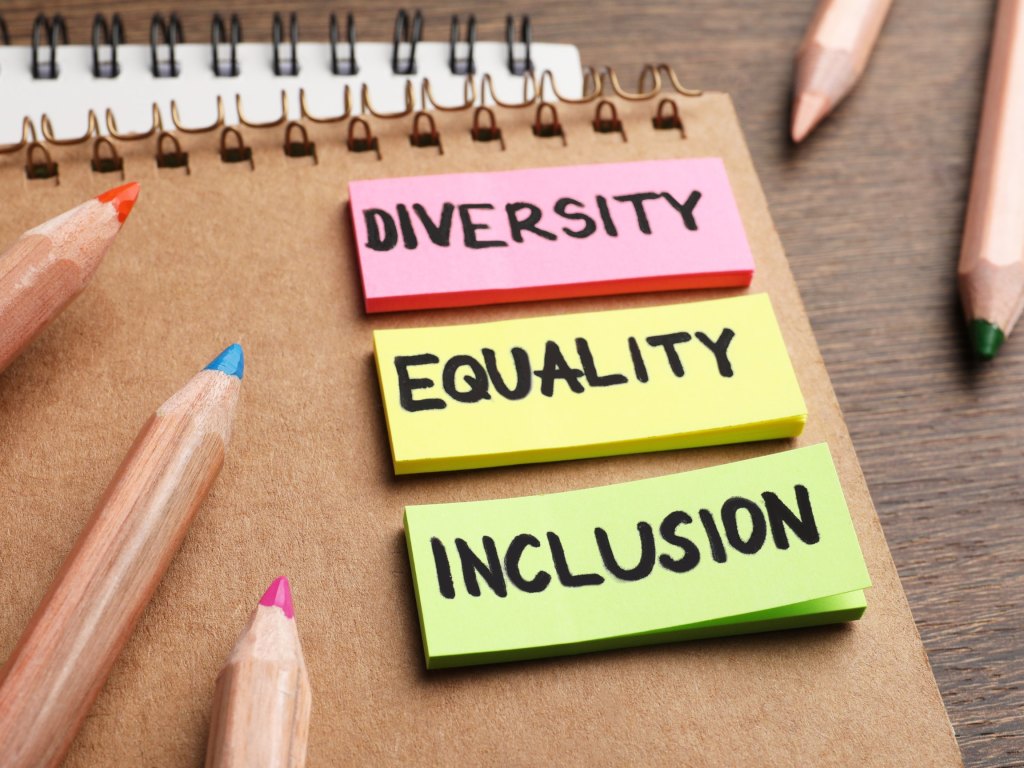
As an Indonesian interpreter, it is crucial to have a comprehensive understanding of terminology related to gender equality, disability, and social inclusion. This glossary aims to provide 30 key terms in English along with their translations in Indonesian, empowering interpreters to effectively communicate and promote inclusivity in their work.
Gender Equality (Kesetaraan Gender):
- Gender equality (Kesetaraan gender): The principle of treating individuals of different genders fairly and equally in all aspects of life.
- Gender identity (Identitas gender): One’s deeply-felt sense of being male, female, or another gender, which may or may not align with the sex assigned at birth.
- Gender expression (Ekspresi gender): The way individuals manifest their gender identity through behavior, clothing, appearance, or other means.
- Gender stereotypes (Stereotip gender): Preconceived and oversimplified notions about the roles, behaviors, and characteristics expected of individuals based on their gender.
- Gender mainstreaming (Integrasi gender): The process of considering gender perspectives and issues in all policies, programs, and activities to promote gender equality.
- Gender-based violence (Kekerasan berbasis gender): Any act that causes physical, sexual, psychological, or economic harm based on gender differences and power imbalances.
- Intersectionality (Interseksionalitas): The interconnected nature of social categorizations, such as gender, race, class, and disability, which create overlapping systems of discrimination and disadvantage.
- Sexual harassment (Pelecehan seksual): Unwanted sexual advances, requests for sexual favors, or other verbal or physical conduct of a sexual nature that creates a hostile or intimidating environment.
- Glass ceiling (hambatan yang dirasakan perempuan dan minoritas dalam karier): Invisible barriers that prevent individuals, particularly women, from advancing to higher positions in the workplace.
- Equal pay (upah yang setara): The principle of providing equal compensation for individuals performing the same or similar work, regardless of gender.
Disability (Disabilitas):
- Disability (Disabilitas): A physical, sensory, intellectual, or mental impairment that affects a person’s ability to participate fully in society.
- Accessibility (Aksesibilitas): The design of products, services, environments, and systems that are usable by individuals with disabilities.
- Inclusion (Inklusi): The practice of ensuring that individuals with disabilities have equal access and opportunities to participate fully in all aspects of life.
- Reasonable accommodation (Akomodasi wajar): Adjustments or modifications made to enable individuals with disabilities to enjoy their rights and participate on an equal basis with others.
- Invisible disability (Disabilitas tak tampak): A disability that is not immediately apparent or visible, such as chronic pain, mental health conditions, or learning disabilities.
- Assistive technology (Teknologi pendukung): Devices, equipment, or software that assist individuals with disabilities in performing tasks, improving their independence, and enhancing their quality of life.
- Universal design (Desain universal): The design of products, environments, and services that are accessible and usable by people of all abilities, without the need for adaptation or specialized design.
- Social model of disability (Model sosial disabilitas): The view that disability is caused by societal barriers and attitudes, rather than inherent limitations of individuals.
- Disability rights (Hak-hak penyandang disabilitas): The rights of individuals with disabilities to equal treatment, non-discrimination, and full participation in society.
- Inclusive education (Pendidikan inklusif): The practice of providing quality education to all students, regardless of their abilities or disabilities, within mainstream educational settings.
Social Inclusion (Inklusi Sosial):
- Social inclusion (Inklusi sosial): The process of ensuring that all individuals, regardless of their background, have equal access and opportunities to participate fully in society.
- Diversity (Keragaman): The range of human differences, including but not limited to race, ethnicity, gender, age, religion, sexual orientation, and disability.
- Inclusive language (Bahasa inklusif): Language that avoids stereotypes, promotes respect, and includes all individuals, regardless of their characteristics or identities.
- Community engagement (Keterlibatan masyarakat): The involvement of individuals and communities in decision-making processes that affect their lives and well-being.
- Social cohesion (Kohesi sosial): The degree of social integration and solidarity within a community or society.
- Empowerment (Pemberdayaan): The process of enabling individuals or groups to gain control over their lives, make informed decisions, and exercise their rights.
- Cultural sensitivity (Sensitivitas budaya): The awareness, understanding, and respect for diverse cultural practices, beliefs, and perspectives.
- Poverty alleviation (Pengentasan kemiskinan): Efforts and strategies aimed at reducing and eradicating poverty within a society.
- Inclusive employment (Pekerjaan inklusif): Employment practices that ensure equal access and opportunities for all individuals, regardless of their background or characteristics.
- Social justice (Keadilan sosial): The principle of fair and equitable distribution of resources, opportunities, and benefits within a society.
Hopefully these terms and their translations in Indonesian can help interpreters effectively facilitate communication, promote understanding, and advocate for gender equality, disability rights, and social inclusion.
Posted by Luh Windiari
Bahasa Interpreters, your Indonesian Interpreters in Bali
For interpreter service in Bali, you can contact us at: info@bahasainterpreters.com
WhatsApp Message at: +62 819-2777-1115
 Bahasa Interpreters
Leave a comment