As an Indonesian interpreter working in the field of forestry, it is essential to have a strong command of the terminology used in this domain. This article provides a mini glossary of essential forestry terms along with their translations in Indonesian.
- Afforestation (Aforestasi): The process of establishing a forest on land that was not previously forested.
- Biodiversity (Keanekaragaman hayati): The variety of plant and animal species in a particular habitat or ecosystem.
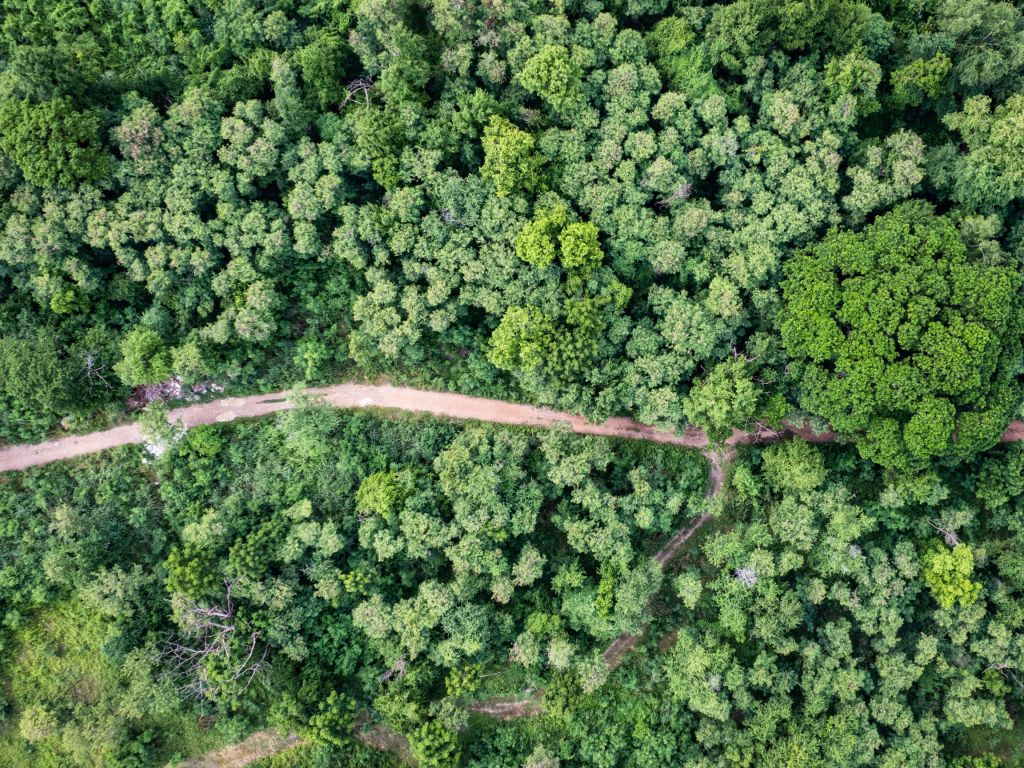
- Canopy (Tajuk hutan/kanopi): The upper layer of vegetation in a forest formed by the interconnected crowns of trees.
- Deforestation (Penebangan hutan): The permanent removal of forests or trees from an area, often due to human activities.
- Ecotourism (Ekowisata): Tourism that focuses on exploring natural environments while minimizing environmental impact.
- Firebreak (Sekat bakar): A cleared area that acts as a barrier to prevent the spread of fire in a forest.
- Greenhouse effect (Efek rumah kaca): The trapping of heat by gases in the Earth’s atmosphere, leading to global warming.
- Habitat (Habitat): The natural environment where a particular species or community of organisms lives.
- Indigenous (Asli/lokal): Native or originating from a specific region or country, often referring to local communities.
- Lumber (Kayu potongan): Wood that has been cut and prepared for use in construction or other applications.
- Mangrove (Mangrove): A type of coastal vegetation characterized by dense, salt-tolerant trees and shrubs.
- National Park (Taman nasional): A protected area of land managed by the government for conservation and public enjoyment.
- Overgrazing (Pemamahan berlebih atau pengembalaan berlebih): The excessive grazing of livestock, leading to the degradation of vegetation and soil.
- Pulpwood (Kayu bubuk): Wood used for making paper or cellulose-based products.
- Reforestation (Reboisasi): The process of replanting trees in an area that has been deforested or damaged.
- Silviculture (Silvikultur): The practice of growing and managing forests, including tree planting and forest regeneration.
- Timber (Kayu balok): Wood that is suitable for use in construction, furniture, or other applications.
- Urban forestry (Kehutanan kota): The management and conservation of trees and green spaces within urban areas.
- Watershed (Daerah aliran sungai): An area of land where all water drains into a common outlet, such as a river or lake.
- Xerophyte (Tumbuhan yang tahan lingkungan kering): A plant adapted to survive in dry or arid conditions.
- Clear-cutting (Penebangan habis): The complete removal of all trees in an area, often for commercial purposes.
- Dendrology (Dendrologi): The scientific study of trees, including their identification and classification.
- Ecosystem (Ekosistem): A community of living organisms interacting with their environment.
- Forest management (Pengelolaan hutan): The planning and implementation of activities to ensure the sustainable use of forests.
- Game reserve (Cagar alam): An area of land set aside for the conservation and protection of wildlife.
- Hardwood (Kayu keras): Wood derived from broad-leaved trees, often used for furniture and flooring.
- Logging (Penebangan kayu): The process of cutting, skidding, and transporting trees for commercial purposes.
- Nutrient cycling (Siklus nutrisi): The movement and recycling of essential nutrients within an ecosystem.
- Plantation (Perkebunan): A large area of land where trees are planted and managed for commercial purposes.
- Sustainable forestry (Kehutanan lestari): The practice of managing forests in a way that preserves their ecological integrity for future generations.
- Plantation forest (Hutan perkebunan): A forest composed of trees that are planted and managed for commercial purposes.
- Tree species (Spesies pohon): The different types of trees that are cultivated in plantation forests.
- Seedling (Bibit): A young tree that is grown from a seed and ready for planting in a plantation forest.
- Rotation period (Periode rotasi): The length of time it takes for a plantation forest to reach maturity and be ready for harvesting.
- Thinning (Penjarangan atau penebangan untuk memperlebar jarak): The removal of some trees in a plantation forest to promote the growth and development of the remaining trees.
- Coppicing (Pemangkasan pangkal): A practice of cutting trees close to the ground to stimulate the growth of new shoots.
- Plantation establishment (pembuatan perkebunan): The process of preparing and planting trees in a designated area for a plantation forest.
- Genetic improvement (Peningkatan genetik): The selection and breeding of tree species with desirable traits to enhance the productivity and quality of plantation forests.
- Site preparation (Persiapan lahan): The activities carried out to prepare the land for planting trees in a plantation forest, including clearing vegetation and improving soil conditions.
- Harvesting (Pemanenan): The process of cutting and removing trees from a plantation forest for commercial use.
- Biomass (Biomassa): The total mass of living or organic matter in a given area.
- Forest certification (Sertifikasi hutan): a voluntary process whereby an independent third party (the “certifier”) assesses the quality of forest management and production against a set of requirements (“standards”) predetermined by a public or private certification organization.
- Eucalyptus (Eukaliptus): A fast-growing tree species commonly planted in plantation forests for timber and pulpwood production.
- Acacia (Akasia): A tree species known for its fast growth and suitability for plantation forestry.
- Hybrid (Hibrida): A tree resulting from the crossbreeding of different tree species to obtain desirable traits.
- Pest management (Pengendalian hama): The strategies and practices employed to control pests and diseases.
- Fertilization (Pemupukan): The application of nutrients to the soil to enhance tree growth and productivity.
- Weed control (Pengendalian gulma): The management of unwanted vegetation that competes with planted trees.
- Forest inventory (Inventarisasi hutan): the systematic collection of data and forest information for assessment or analysis.
- Forest management plan (Rencana pengelolaan hutan): A comprehensive document that outlines the objectives, strategies, and activities for managing a forest.
- Carbon sequestration (Penyimpanan karbon): The process by which trees in a forest absorb and store carbon dioxide from the atmosphere, helping to mitigate climate change.
- Stakeholder engagement (Keterlibatan pemangku kepentingan): The involvement and collaboration of various individuals and groups, such as local communities and organizations, in the management of forests.
- Ecosystem services (manfaat ekosistem): the direct and indirect contributions of ecosystems to human well-being.
- Forest restoration (Restorasi hutan): all activities, including reforestation, that help return a forest to a healthy state.
- Rainforest (Hutan hujan): A dense forest characterized by high rainfall and a wide variety of plant and animal species.
- Deciduous forest (Hutan gugur): A forest composed of trees that shed their leaves annually.
- Coniferous forest (Hutan konifer): A forest dominated by cone-bearing trees, such as pines, spruces, and firs.
- Temperate forest (Hutan sedang): A forest found in regions with moderate climate and distinct seasons.
- Boreal forest (Hutan boreal atau taiga): A forest that spans the subarctic regions of the Northern Hemisphere, characterized by cold temperatures and evergreen trees.
- Tropical forest (Hutan tropis): A forest found in the tropical regions near the equator, characterized by high temperatures and abundant rainfall.
- Montane forest (Hutan pegunungan): A forest that occurs at high elevations, typically on mountains or hills.
- Mangrove forest (Hutan mangrove): A unique forest ecosystem found along coastal areas, characterized by salt-tolerant trees and shrubs.
- Riparian forest (Hutan riparian): A forest that grows along the banks of rivers, streams, or other water bodies.
- Cloud forest (Hutan awan atau hutan pegunungan): A forest that occurs at high altitudes where clouds frequently envelop the vegetation, providing moisture.
- Dry forest (Hutan tanah kering): A forest that occurs in arid or semi-arid regions with low rainfall.
- Subtropical forest (Hutan subtropis): A forest found in regions with a climate between tropical and temperate, characterized by mild winters and hot summers.
- Evergreen forest (Hutan hijau abadi): A forest composed of trees that retain their leaves throughout the year.
- Seasonal forest (Hutan musiman): A forest that experiences distinct seasonal changes, such as leaf shedding during dry seasons.
- Alpine forest (Hutan alpen): A forest that occurs at high altitudes above the tree line, characterized by dwarfed trees and shrubs.
- Flooded forest (Hutan lahan basah atau tergenang air): A forest that is periodically submerged or flooded by water, often found in wetland areas.
- Mediterranean forest (Hutan Mediterania): A forest found in regions with a Mediterranean climate, characterized by hot, dry summers and mild, wet winters.
- Taiga forest (Hutan taiga): A forest that spans the subarctic regions of the Northern Hemisphere, characterized by cold temperatures and dominated by coniferous trees.
- Monsoon forest (Hutan musim): A forest that experiences distinct wet and dry seasons due to monsoonal weather patterns.
- Savanna (Savana): A grassy ecosystem with scattered trees, often found in tropical or subtropical regions.
- Tundra (Tundra): A treeless, cold biome found in the Arctic and high mountain regions, characterized by low temperatures and permafrost.
- Secondary forest (Hutan sekunder): A forest that regrows after the original forest has been disturbed or cleared.
- Old-growth forest (Hutan tua): A forest that has reached a mature stage of development and has not been significantly disturbed by human activities.
- Plantation forest (Hutan perkebunan): A forest composed of trees that are planted and managed for commercial purposes.
- Urban forest (Hutan kota): Trees and green spaces within urban areas that provide ecological and social benefits.
- Indigenous forest (Hutan adat): Forests that are traditionally owned, managed, and used by indigenous communities.
- Protected forest (Hutan lindung): Forest areas that are legally protected for conservation purposes.
- Commercial forest (Hutan komersial): Forests that are managed for timber production and other commercial purposes.
- Community forest (Hutan kemasyarakatan): Forests that are collectively managed and used by local communities.
- Wildlife sanctuary (Kawasan perlindungan satwa): A designated area that provides protection for wildlife and their habitats.
We hope you find this mini glossary useful. By mastering these forestry terms and their translations in Indonesian, interpreters can effectively facilitate communication and promote sustainable forestry practices in Indonesia.
Let us know if you have any suggestion, correction or addition.
Posted by Luh Windiari
Bahasa Interpreters, your Indonesian Interpreters in Bali
For interpreter service in Bali, you can contact us at: info@bahasainterpreters.com
WhatsApp Message at: +62 819-2777-1115
 Bahasa Interpreters
Leave a comment